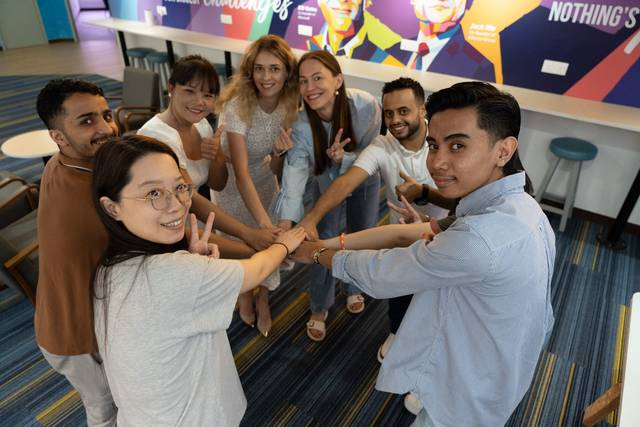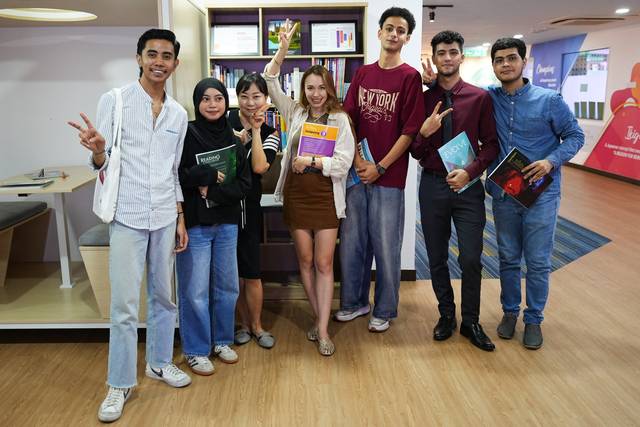
Kuala Lumpur has become a serious English-study option for Korean and Japanese students who want international experience without immediately taking on the cost, distance, and pressure of traditional destinations such as the UK, Australia, or Canada. The city gives students a practical middle ground: credible English education, a manageable cost base, and a daily environment that is easier to adapt to than many first-time families expect.
For many students, this matters because English study is not only about class hours. It is about where students can stay long enough to improve, how much stress daily life creates, and whether the city supports a stable routine. In that comparison, Kuala Lumpur performs far better than its reputation in East Asia sometimes suggests.
Why Malaysian English education is gaining attention in Korea and Japan
More students in Korea and Japan are comparing destinations by value rather than prestige alone. They want a place where English is used in daily life, where schools feel structured and internationally mixed, and where the family budget is not exhausted by rent and food before the course is even halfway finished.
Malaysia attracts attention because it offers Cambridge-based teaching, recognised IELTS pathways, and an easier transition into international student life. Families also notice that students can build confidence in a multicultural city without the same degree of financial exposure that comes with more traditional English-speaking countries.
Kuala Lumpur versus other popular study destinations
Compared with Singapore, Kuala Lumpur is usually much more affordable while still offering a modern city environment. Compared with the Philippines, students often find KL offers a more stable urban infrastructure, stronger transport links, and a broader international mix. Compared with Western destinations, the cost gap is obvious, but so is the advantage in ease of adjustment for first-time Asian students.
That does not mean KL is automatically better for every student. It means the balance is strong. Students can study in a capital city, use English daily, travel easily, and build a serious academic routine without feeling that every ordinary expense is out of control.
What the monthly cost of living usually looks like
One reason Korean and Japanese families take Kuala Lumpur seriously is that the math works. Shared accommodation, local meals, transport, and personal expenses are far easier to manage than in many other destinations. Students can usually plan a stable monthly budget instead of reacting to constant surprise costs.
- Shared accommodation is commonly within a realistic student budget.
- Public transport covers most of the city without needing a car.
- Local food is affordable, while Korean and Japanese restaurants are still easy to find.
- Students can stay longer, which often matters more than saving a small amount in the first month.
The longer a student can stay in a stable program, the more likely it is that English improvement becomes meaningful rather than superficial. That is one of Kuala Lumpur’s strongest practical advantages.
Student visa process and requirements
The visa process in Malaysia is usually more straightforward than many families expect. Students still need to prepare documents carefully, but the route is generally clearer than in several Western countries. A reputable language centre will usually support document preparation, submission sequence, and next-step guidance so students are not trying to manage the whole process alone.
Before applying, families should confirm passport validity, admission documentation, medical or administrative requirements, and realistic processing lead time. It is also worth asking the school exactly what support they provide during the application stage and after arrival.
What a typical study day looks like
A strong English program in Kuala Lumpur usually gives students a predictable weekday rhythm. Mornings may focus on core language skills such as grammar, reading, listening, and vocabulary. Afternoons often include speaking tasks, writing work, review sessions, or IELTS-related support depending on the student’s level and goals.
This structure matters because students do not only need teaching. They need repeatable routine. When the day has a clear flow, it becomes much easier to study consistently, review after class, and use English outside formal lesson time.
How to choose the right language school
Not every school suits every student. Korean and Japanese students usually do best when the school offers clear placement, international class mix, visible level progression, and teaching that balances speaking with the rest of the language system. Marketing alone is not enough.
Families should look closely at accreditation, teaching methodology, class size, student support, and whether the school helps with visa matters and future pathways. If a school cannot explain how students move from one level to the next, or what outcomes are realistic after three to six months, that is a warning sign.
Living in Kuala Lumpur as a Korean or Japanese student
Daily life in KL is often easier than students imagine. Public transport works well enough for study routines, and neighbourhoods near campus usually have enough restaurants, convenience stores, and services to make the first month manageable. Korean and Japanese students can still find familiar food and products when they need comfort, which helps reduce early stress.
At the same time, the city remains international enough that students do not stay inside a cultural bubble. They hear multiple accents, interact with classmates from different countries, and use English in practical situations. That is exactly the kind of environment that helps confidence grow faster.
Questions families usually ask
How long should a student stay?
For meaningful improvement, many students benefit from three to six months of steady study. Students aiming at stronger academic or test outcomes may need longer.
Can students work while studying?
Students should not assume this. Families should always confirm the exact visa rules and school guidance before making plans around part-time work.
Is it easy to find Korean or Japanese food?
Yes. Kuala Lumpur has enough Korean and Japanese restaurants, grocery options, and communities that students usually adapt quickly.
Is Kuala Lumpur safe for international students?
With normal city awareness and sensible routines, many students find KL manageable and comfortable. Choosing the right accommodation area also makes a big difference.
Conclusion
For Korean and Japanese students, Kuala Lumpur is not simply a cheaper alternative. It is a destination that makes long-enough English study realistic. The city combines budget control, international exposure, easier daily adaptation, and structured language learning in a way that many students actually need.
If the goal is to improve English in a modern Asian capital without taking on unnecessary pressure from day one, Kuala Lumpur remains one of the most practical options available.